Discover the best Kanjeevaram saree draping styles for weddings in Bangalore – from classic Nivi to modern dhoti – with tips on body type, accessories, and comfort.
Kanjeevaram saree draping styles refer to the various traditional and contemporary ways of wearing a Kanjeevaram silk saree, each creating a distinct silhouette and mood – from the classic Nivi drape to the regal Madisar, the modern bridal drape with a belt, and the stylish dhoti style. The choice of drape depends on your body type, comfort, the occasion, and desired elegance.
What Makes Kanjeevaram Draping Unique?
Unlike lighter cottons or georgettes, Kanjeevaram silk has a stiff, structured fall that holds pleats beautifully. This means the drape isn't just about wrapping cloth – it's about sculpting the fabric to flatter your frame. Living in Bangalore, where the weather is pleasant but can get humid, the way you tuck and pin can greatly affect your comfort over a long wedding day. At UNIQUE by Anithaa, we often advise brides to opt for a drape that allows easy movement, especially if you're hosting or greeting guests at venues like The Leela Palace or the Taj West End.
Which Draping Style Suits a Banarasi vs. Kanjeevaram?
While both silks are heavy, Banarasi tends to be more fluid, whereas Kanjeevaram is stiffer. For Kanjeevaram, the classic Nivi drape is the most popular because it distributes the weight evenly across the shoulder and waist. If you're wearing a Banarasi, you might prefer a looser dhoti style, as it drapes more gracefully. But for a Kanjeevaram bridal look, the traditional Madisar is often reserved for weddings in the Tamil Brahmin community, especially for muhurtham ceremonies. It's elegant but requires practice.
What Are the Classic Kanjeevaram Draping Styles?
1. The Traditional Nivi Drape
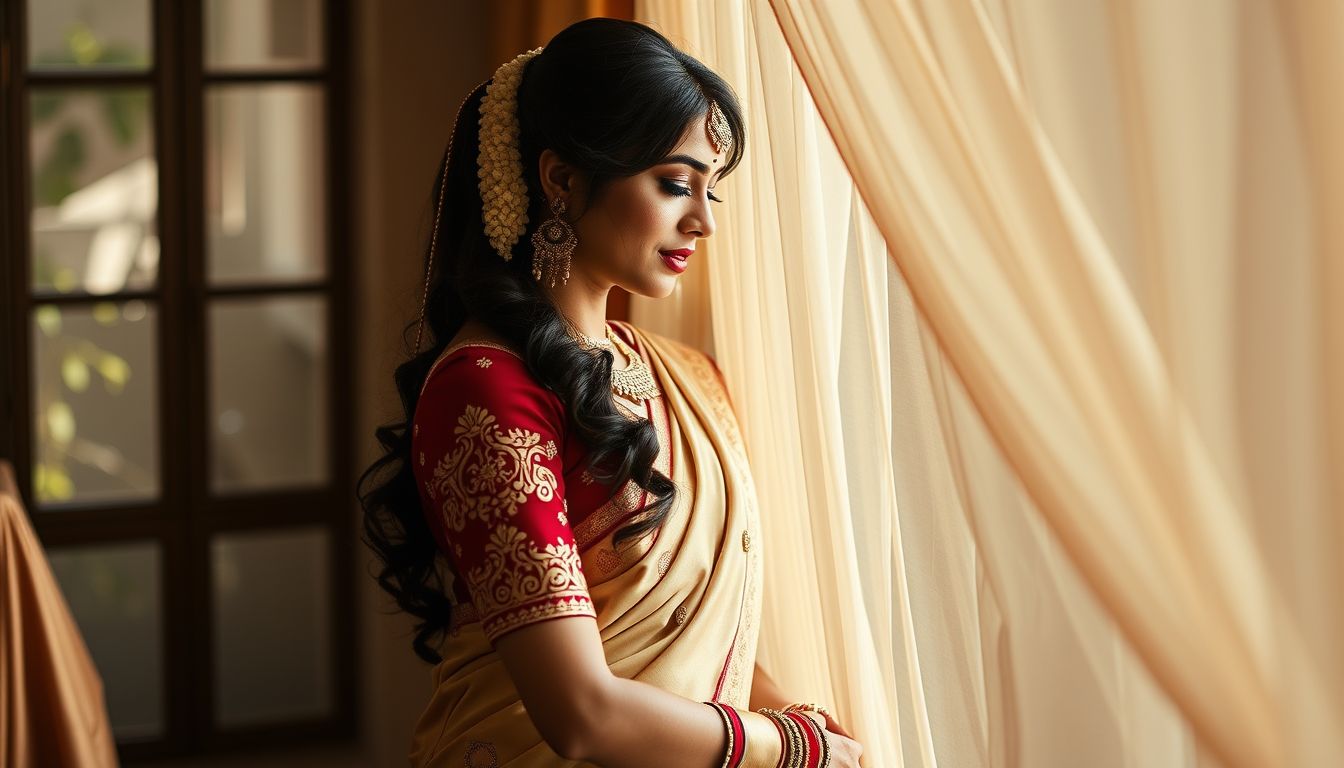
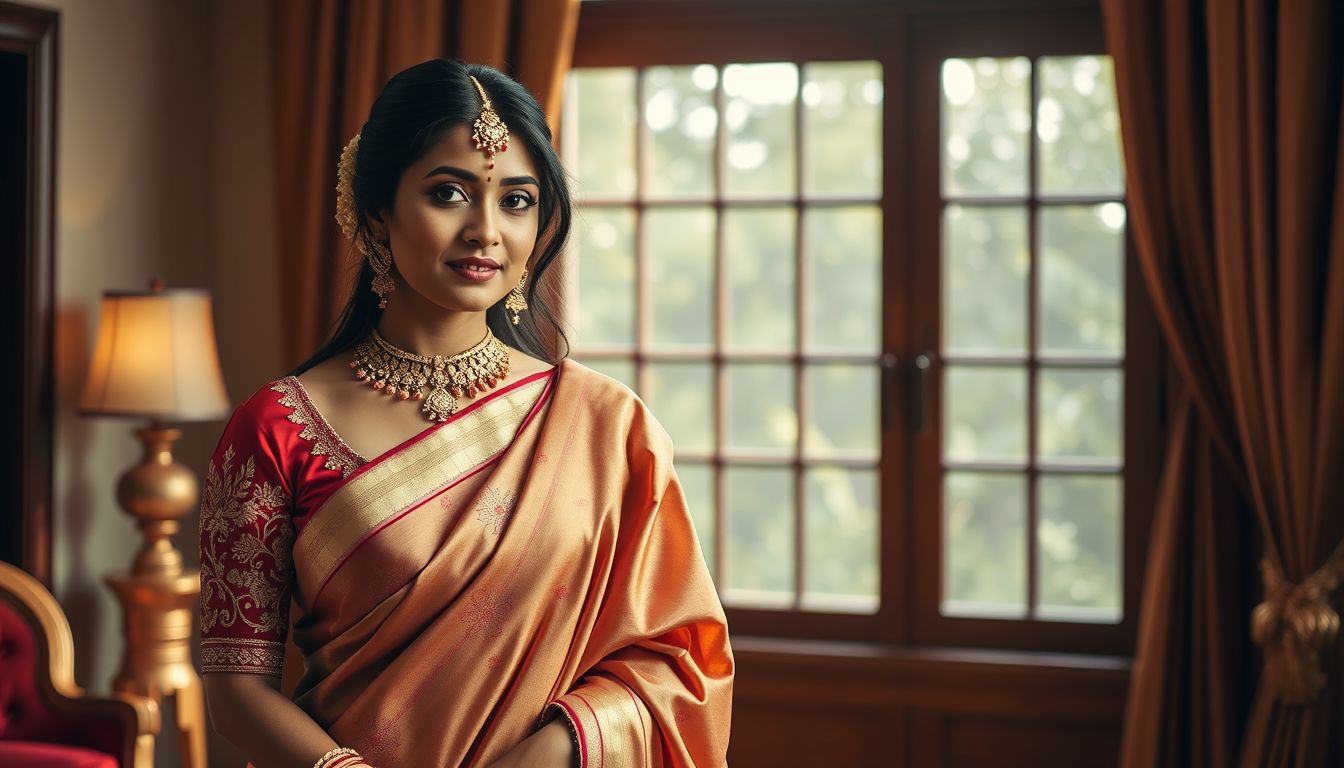
This is the most common drape, where the saree is worn around the waist with pleats tucked in front. The pallu is taken over the left shoulder. It's timeless and suits all body types. For a Kanjeevaram, this drape highlights the rich border and zari work.
2. The Madisar Drape (Kosuvam)
This is a traditional Brahmin style where the saree is wrapped in a specific way, creating a shawl-like Pallu and exposing the midriff. It's worn without a petticoat sometimes, but most modern brides wear it with a fitted blouse and a separate matching shawl. It's a symbol of tradition and is often chosen for the muhurtham or for temple visits in Mylapore or nearby in Bangalore's many temples like the ISKCON temple.
3. The Modern Bridal Drape with Belt
To give a contemporary twist, many brides in Bangalore are opting for a sleek belt over the saree at the waist. This adds structure and highlights the waistline. It's perfect for engagement functions at venues like the Jayamahal Palace or for sangeet nights.
4. The Dhoti Style Drape
Also known as the pant style, this drape is inspired by the dhoti and creates a trouser-like effect. It's trendy, comfortable for dancing, and looks fierce on taller frames. It's a favourite for cocktail parties or evening receptions.
5. The Mermaid or Fishtail Drape
This involves pleating the saree in a way that hugs the legs, flaring out at the bottom like a fishtail. It's dramatic and best for grand entrances. It requires some skill to achieve a neat effect, but the result is stunning.
How Do I Choose the Right Drape for My Body Type?
If you have a pear-shaped figure, the Nivi drape with narrower pleats works well. For a petite frame, avoid heavy pallus – instead, opt for a shorter pallu that doesn't drag on the floor. For a fuller bust, the Madisar can be a bit challenging, so the Nivi with a pin at the shoulder is safer. If you're tall, try the dhoti or mermaid style to show off your height. When in doubt, book a trial draping session at UNIQUE by Anithaa – our stylists will help you find the perfect drape for your festive events in Bangalore, from family functions at the Bangalore Palace to office parties in Koramangala.
What Are the Trending Pallu Styles for Kanjeevaram?
Some popular pallu styles are:
- Over the left shoulder: Classic and secure.
- Over the right shoulder: Gives a different look, often seen in South Indian styles.
- Fanned over the back: Shows off the border and the blouse detail.
- Pinned at the waist: The pallu is wrapped and pinned low, creating a cape-like effect.
- Styles to avoid: The Gujarati and Bengali styles, which are beautiful but better suited to those fabrics.
How Do I Accessorize a Kanjeevaram Drape with Temple Jewellery?
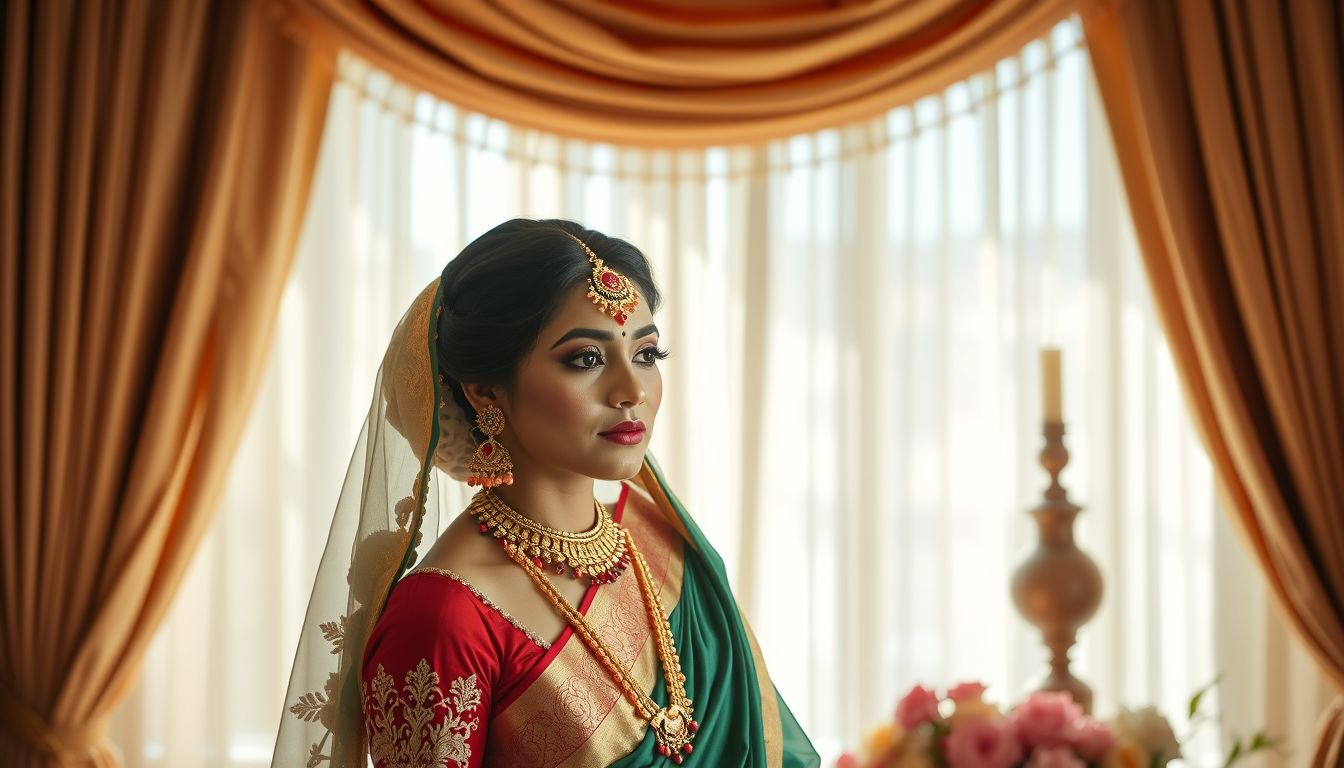
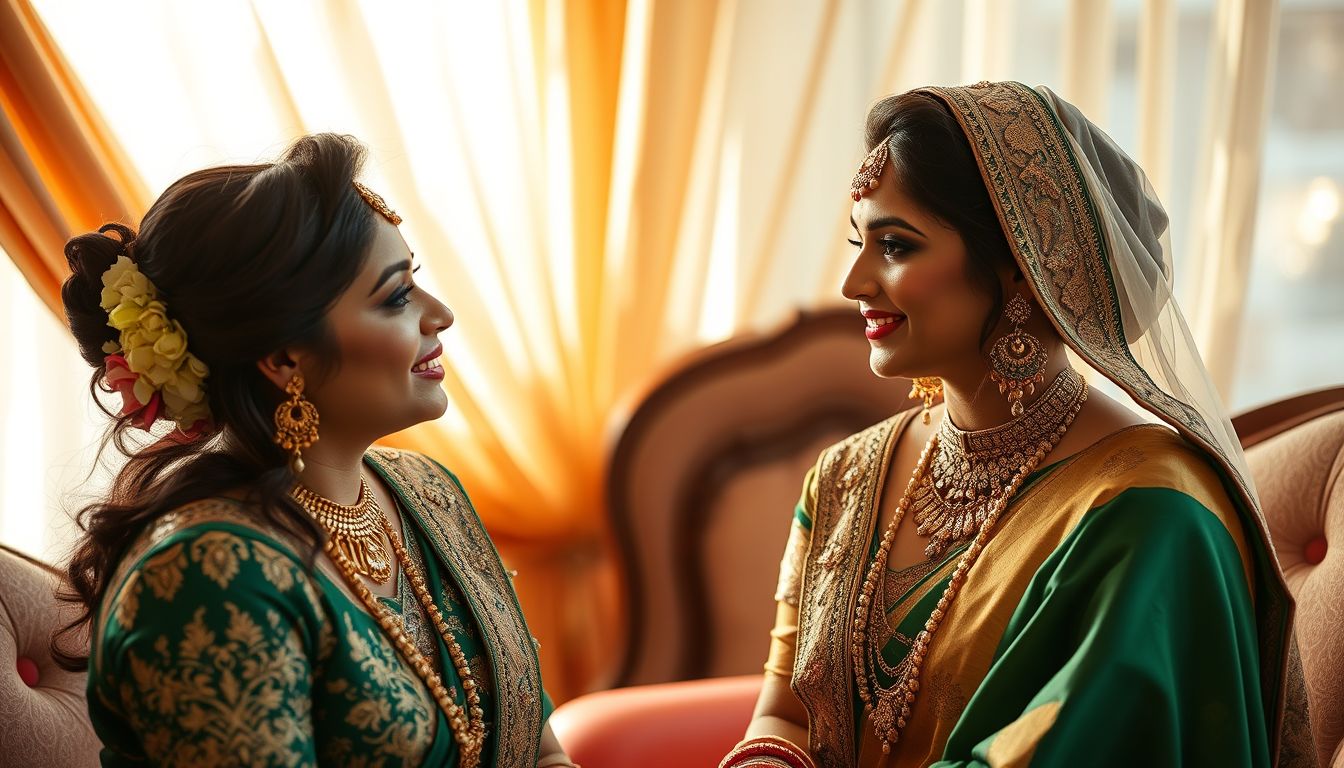
Temple jewellery in antique gold looks divine with Kanjeevaram. For a traditional Nivi drape, a long neckpiece like a haram and jhumkas accent the pallu nicely. If you're wearing the Madisar, a layered choker works well. For the dhoti style, you might go for statement earrings and a kamarbandh. Remember, the blouse design matters a lot – boat neck or high neck for a classic look, and deep neck for a modern vibe. Avoid mixing too much silver with the gold zari of the saree.
Which Drape Is Best for a Bangalore Wedding Season?
Bangalore has two wedding seasons – one from April to June (summer) and the main one from October to February. The weather is generally moderate, but in summer, heavy silk can feel warm, so a Nivi drape is more practical. In winter, the Madisar with a blouse jacket can keep you warm. At UNIQUE by Anithaa, we recommend layering a light shawl or a silk stole if you're outdoors in the evening, especially at venues like the NIMHANS Convention Centre or the Chinnaswamy Stadium for big weddings.
What about Petticoats and Blouses for Kanjeevaram?
Always choose a petticoat that matches your skin tone, not the saree, to ensure an invisible line. For Kanjeevaram, a stiff cotton petticoat is best to hold the weight. Blouses should be tailored with a proper fit – many brides order a matching blouse with zari, but you can also experiment with contrast colours like deep maroon or emerald. If you're unsure about blouse designs, our bridal styling services include draping and blouse consultations.
How Do I Style a Kanjeevaram for an Engagement Without Overlapping with the Bridal Look?
For engagement, you can opt for a lighter shade like pastel pink or sage green, and drape it in a modern style with a belt. Keep jewellery minimal – maybe just a pair of chandbalis and a slim necklace. For the wedding, you might go all out with a red or deep burgundy Kanjeevaram in the traditional Nivi. It's a good idea to coordinate with your makeup and hairstyle – if you have a sleek bun, a classic drape works; if you're wearing open hair, a structured drape like dhoti is easier.
How Do I Maintain My Kanjeevaram Drape Through a Long Wedding?
Safety pins are your best friend – use at least three at the waist, and one to secure the pallu at the shoulder. Also, ensure your petticoat is tied snugly. For brides who are going to be walking a lot, a shorter pallu (about a hand's breadth above the floor) prevents tripping. If you're worried about pleats coming undone, you can ask your boutique to stitch them in place – party wear draping services at UNIQUE by Anithaa can do this for you.
Can I Drape a Kanjeevaram in a Casual Way for a Reception?
Absolutely. For a less formal reception, you can drape it in the Nivi but with a slouchy pleat, and skip the heavy jewellery. Pair it with a sleeveless blouse and a messy bun. It’s a lovely way to reuse your bridal saree for a family gathering in Bangalore’s winter evenings.
What Are the Common Mistakes to Avoid in Draping?
Here are a few:
- Too tight or too loose at the waist – it can cause discomfort or fabric bunching.
- Uneven pleats – always tuck them neatly, and use a safety pin to hold them.
- Wrong petticoat length – it should be slightly above the floor, and not show.
- Ignoring the drape’s effect on your posture – walk tall, and let the saree flow.
How Do I Get the Perfect Drape – DIY or Professional?
If you have time to practise, DIY is possible. But for a wedding day, professional draping is a game changer – it ensures the saree stays put through rituals, photo sessions, and dancing. Our engagement styling services include professional draping as well. Many of our clients in Indiranagar and Whitefield book us a day before to also learn to re-drape in case of emergencies.
| Drape Style | Best For | Occasion |
|---|---|---|
| Nivi | All body types | Wedding, reception, parties |
| Madisar | Traditional ceremonies | Muhurtham, temple weddings |
| Dhoti | Tall, slim frames | Engagement, cocktail |
| Mermaid | Curvy, hourglass | Grand receptions |
| Belted Modern | Pear-shaped | Engagement, sangeet |
Final Thoughts
The right drape can transform how you look and feel in your Kanjeevaram. Don’t be afraid to experiment, but always prioritise comfort and elegance. Whether you’re a bride, a bridesmaid, or attending a family function, remember that confidence is your best accessory.
Frequently Asked Questions
Is it necessary to use a safety pin to hold the pallu?
Yes, a safety pin at the shoulder is recommended, especially for heavy Kanjeevaram silks, to prevent the pallu from slipping.
How many pleats should I take for a Nivi drape?
Typically, 5-7 pleats are ideal for a Kanjeevaram, depending on the width of the saree and your height. A trial will help you choose.
Can I wear a Kanjeevaram with a petticoat in a different colour?
Yes, but it will show if the saree is transparent. For opaque silks, a matching or neutral shade is safer.
Which drape is most comfortable for dancing?
Boot-cut or dhoti styles are most comfortable for dancing as they permit easy leg movement.
How much does professional draping cost at UNIQUE by Anithaa?
Pricing varies by requirements, so please enquire with us for a personalised quote.
Book a Trial Draping Session
If you are getting married soon and want to perfect your Kanjeevaram look, we invite you to visit UNIQUE by Anithaa in Bangalore. Our stylists will work with you to find the perfect drape, blouse style, and jewellery. Enquire now to schedule a personalised consultation.